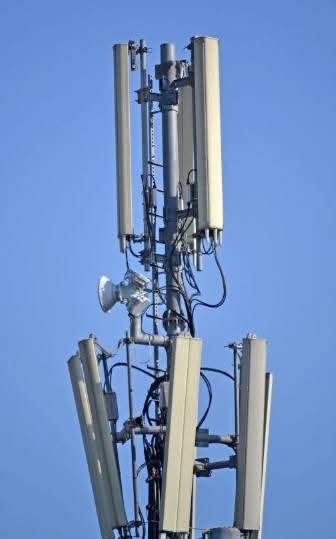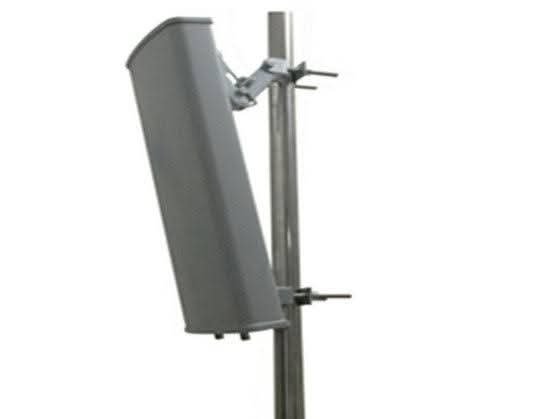

“E-tilt” (electrical tilt) GSM antennas are used in mobile towers because they allow network operators to remotely and dynamically optimize the coverage area and reduce interference without physically adjusting the antenna.
This method provides greater flexibility and efficiency in network management compared to manual mechanical tilting.
Key Benefits of E-Tilt Antennas
Remote Adjustability:
E-tilt (often referred to as Remote Electrical Tilt, or RET) allows engineers to change the downward angle of the antenna beam from a central office using a computer, eliminating the need for a physical site visit and manual adjustment of the mounting brackets.
Optimized Coverage and Capacity:
By precisely adjusting the tilt, operators can concentrate signal strength in high-traffic areas (e.g., a specific urban center) and minimize signal overlap with neighboring cells, which reduces interference and improves overall network quality.
Real-time Response to Network Needs:
Network conditions and traffic patterns change dynamically. E-tilt enables quick, real-time adjustments to antenna parameters, allowing the network to adapt efficiently to current demand or resolve performance issues quickly.
More Uniform Coverage Shaping:
Mechanical tilt affects the width of the coverage area unevenly (more like an ellipse), while electrical tilt provides a more uniform reduction in coverage area in the direction of the tilt (more like a shrinking circle), which can be more predictable and desirable for network planning.
Cost-Effectiveness and Safety:
While the initial cost might be higher, E-tilt saves significant operational costs associated with sending a team to physically climb the tower for adjustments, and it avoids the safety risks involved in tower climbing.