

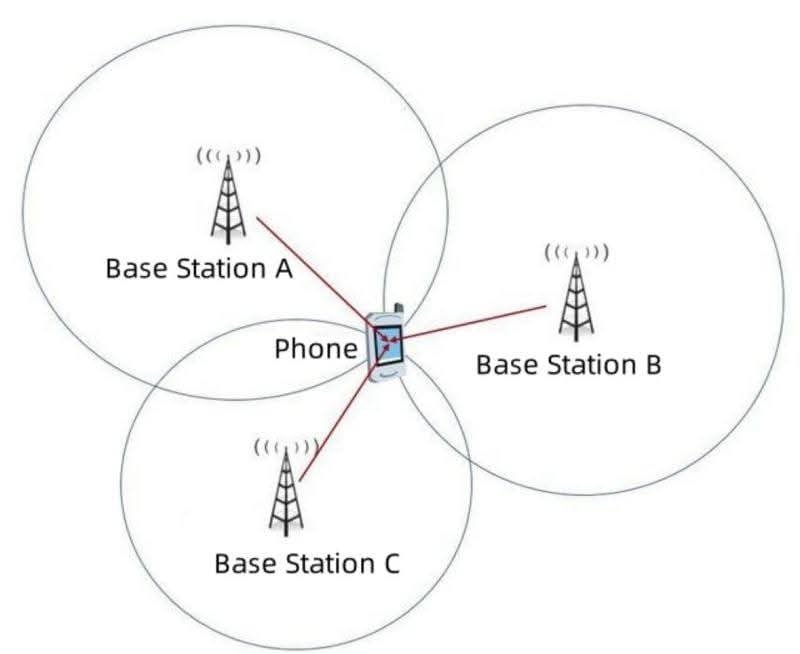
Why doesn’t a phone always connect to the closest base station? A very common question from junior engineers is:
The short answer: distance is not the decision rule.
1️⃣ Signal quality matters more than distance
The nearest site may be:
• Blocked by buildings
• Using a different frequency band
• Experiencing strong interference
A farther cell can provide cleaner and more stable signal quality, which is more important than proximity.
2️⃣ Load balancing affects cell selection
Mobile networks don’t want all users on the same site.
If the nearest cell is heavily loaded:
• New users may be redirected
• Performance would degrade for everyone
Connecting to a less loaded cell often gives better real performance.
3️⃣ Cell selection is based on rules, not intuition
Phones follow network-defined criteria such as:
• Measured signal quality
• Priority and offsets
• Mobility and stability requirements
These rules are designed to keep the network stable and efficient, not “closest wins”.
4️⃣ Stability is preferred over frequent switching
If phones always chased the nearest cell:
• Handover frequency would explode
• Signaling load would increase
• User experience would suffer
Networks prefer fewer, stable connections over constant re-selection.
In short
Phones don’t connect to the nearest base station.
They connect to the best overall cell — balancing signal quality, interference, load, and stability.